
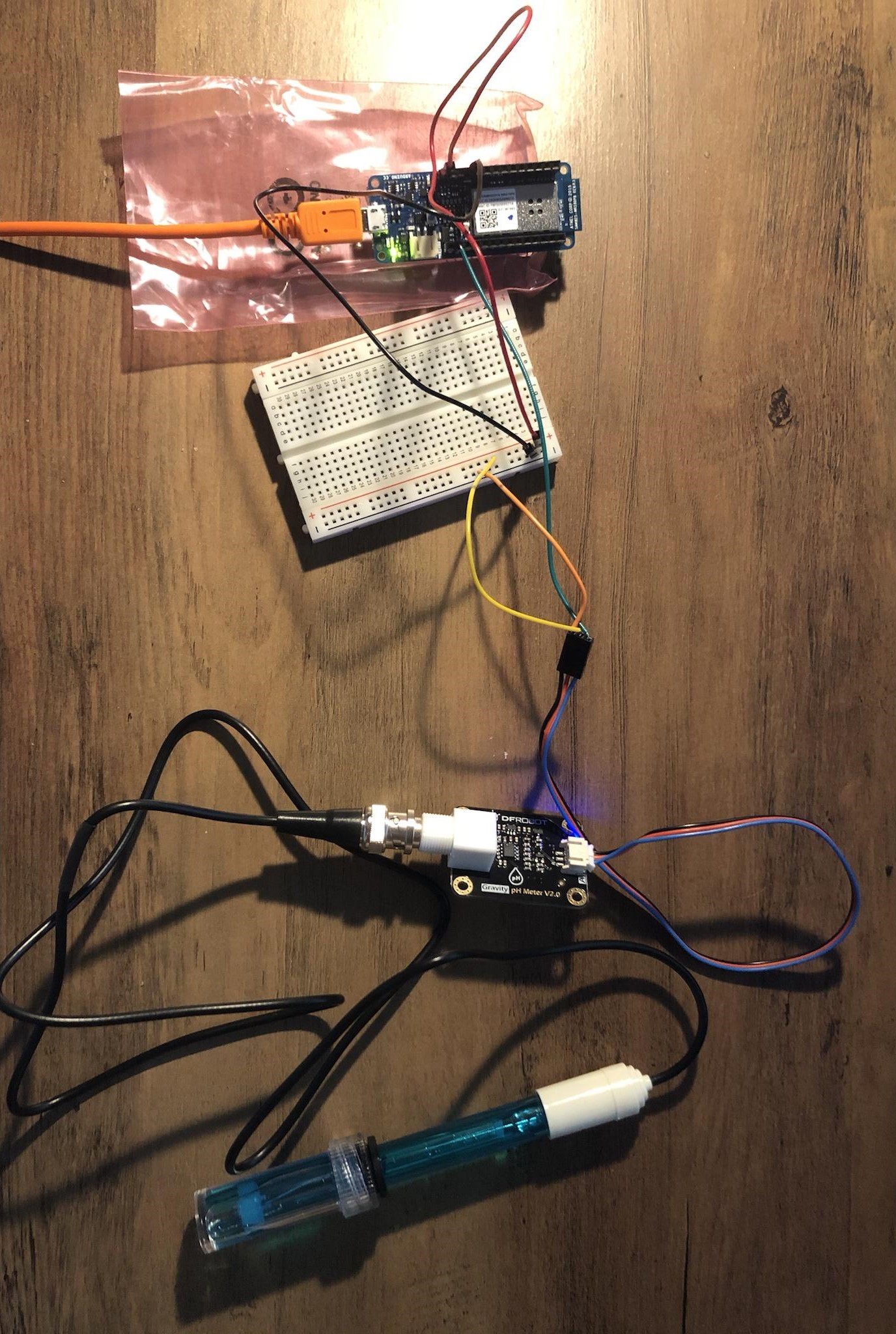
The first sensor I decided to calibrate is the pH meter, since I figured that pH is a relatively easier concept to grasp than the others. Here is the setup: DFRobot, the open source creator of these sensors, provides sample code [1] designed to calibrate the pH sensor but it only works on AVR boards,Continue reading “[TESTS] pH Sensor Calibration – 06/06/2021”
Author Archives: matthewrajala
[TESTS] Temperature and Turbidity – 05/06/2021
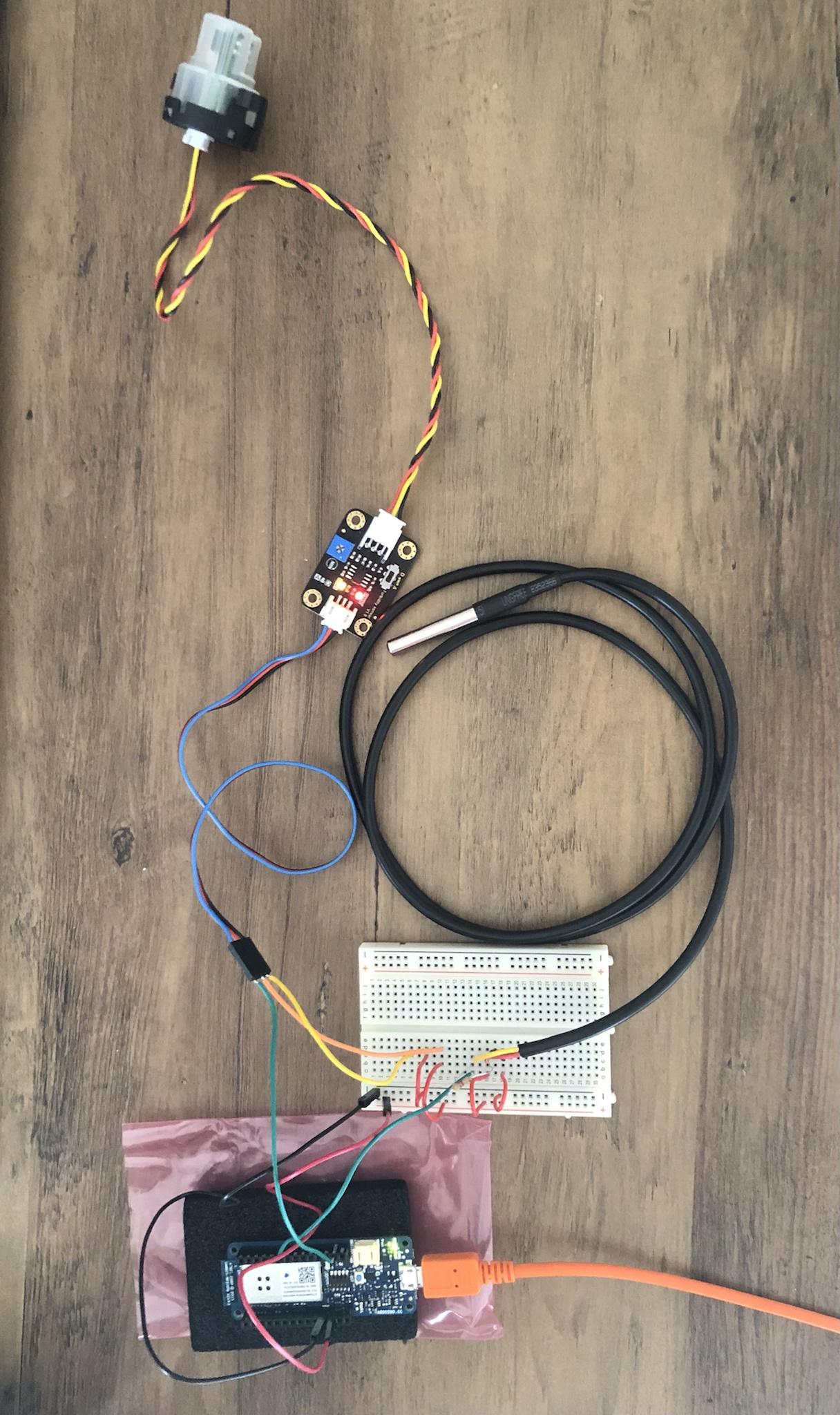
Today I tested the temperature and turbidity sensors simultaneously, here is how I set them up: On the MKR1000, black and red wires are connected to GND and VCC (3.3V output) respectively. Each sensor has three wires, two for the current (+ and -) and one for sending data, which is expressed in voltage. TheContinue reading “[TESTS] Temperature and Turbidity – 05/06/2021”
Setting Up the Arduino IDE – 04/06/2021
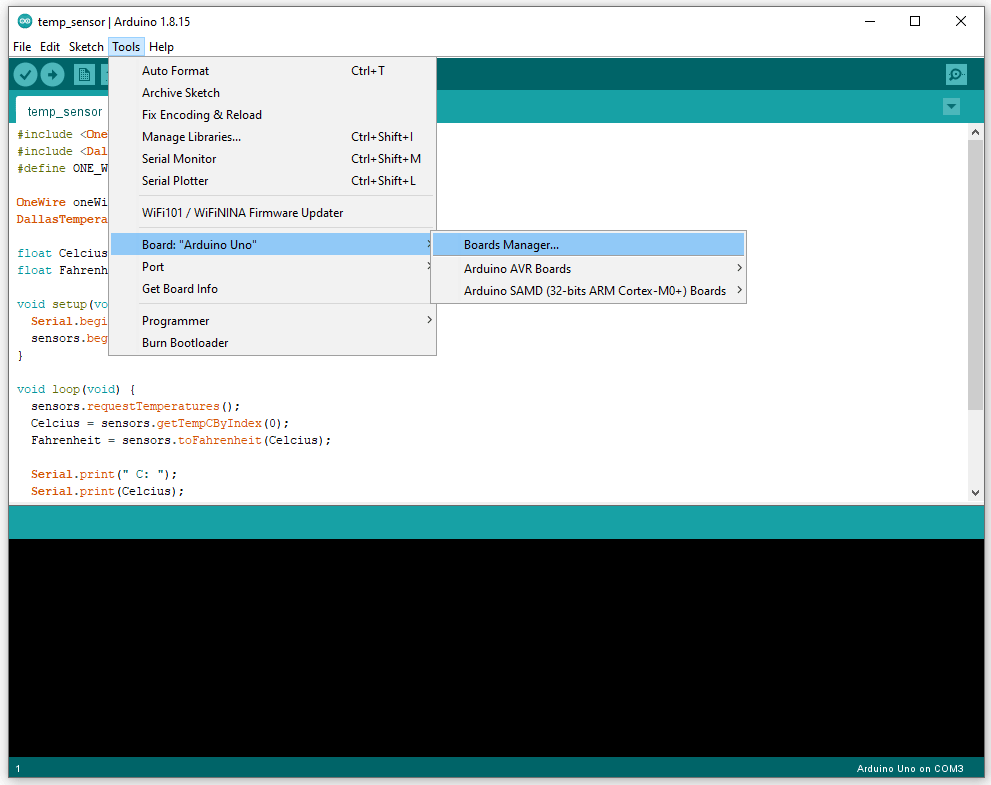
To interact with all the different sensors, we’ll have to write some code. It will essentially retrieve data from all the different sensors, using libraries specific to each sensor. Since this is an Arduino project, I’ll be coding sketches with the Arduino IDE [1], which uses a language called Processing that is based off ofContinue reading “Setting Up the Arduino IDE – 04/06/2021”
Connecting to the IoT – 27/05/2021
Looking at H2OSupport from a software perspective, there’s two sides, commonly called front-end and back-end. The front-end side of the project is composed of how the device will collect the data, which means writing code for processing and transferring the data from the different sensors. The front-end also includes how the data is presented toContinue reading “Connecting to the IoT – 27/05/2021”
Battery Power – 26/05/2021
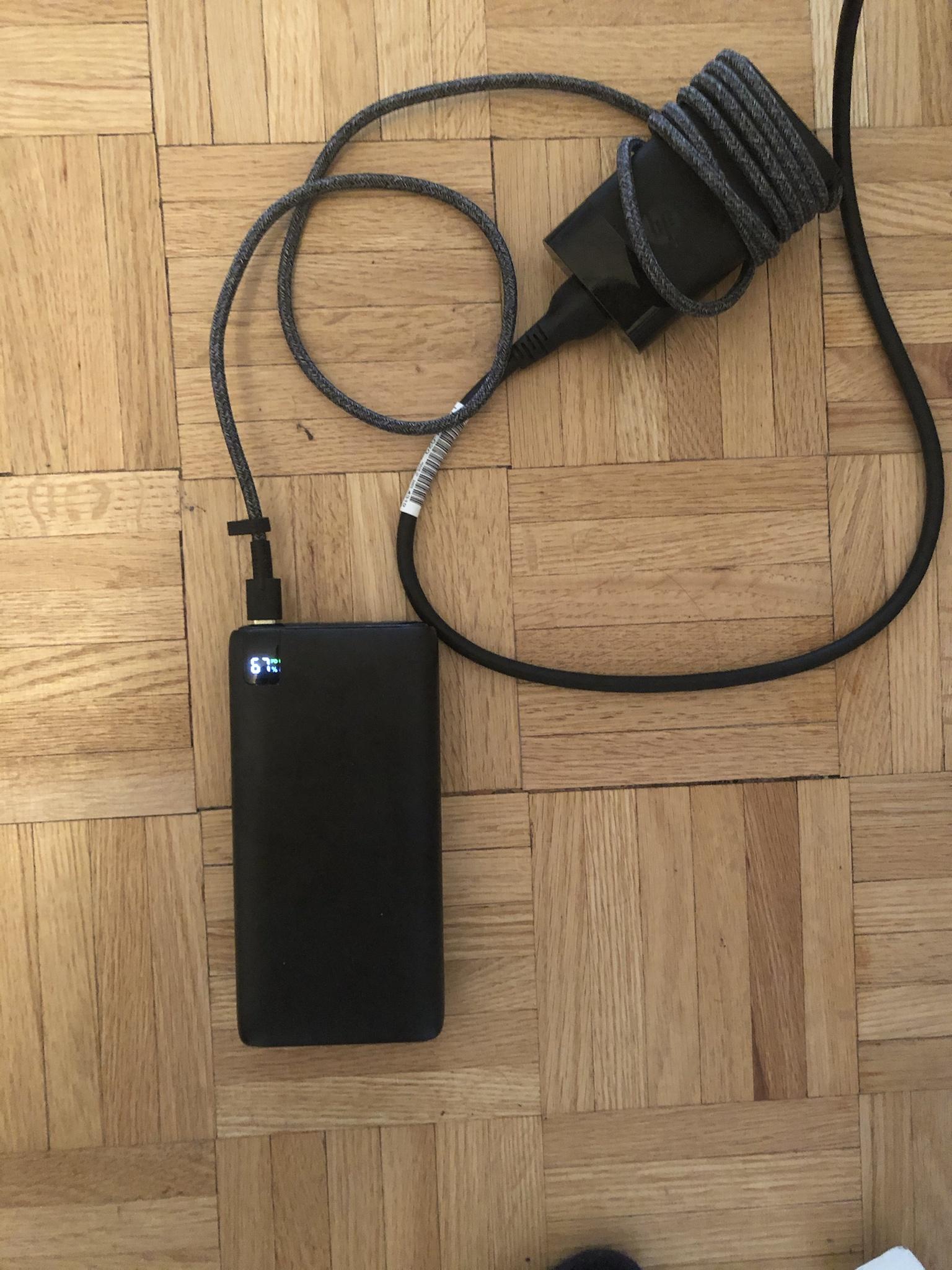
The Arduino MKR NB 1500 board requires a constant ~3.3V power source to operate, common boards usually have a micro-usb input port, just as this one does. Since H2OSupport will operate in remote locations (places where it will not be close to a power source), the device has to be powered by a portable battery.Continue reading “Battery Power – 26/05/2021”
Approximate Sketch – 25/05/2021
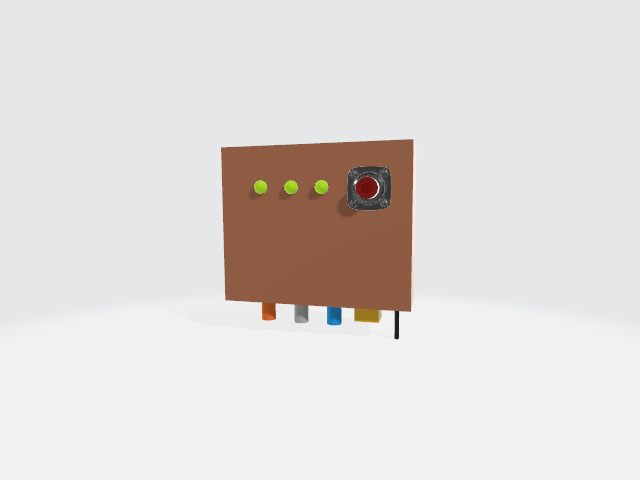
Here is a quick 3D sketch of what the final product will most likely be similar to. The electronics will be encapsulated in a small box, which has three LEDs on the front, right beside a button. Upon pushing the button, the device will activate the sensors and take the necessary readings. The five sensorsContinue reading “Approximate Sketch – 25/05/2021”
[SENSORS] Oxidation Reduction Potential – 24/05/2021
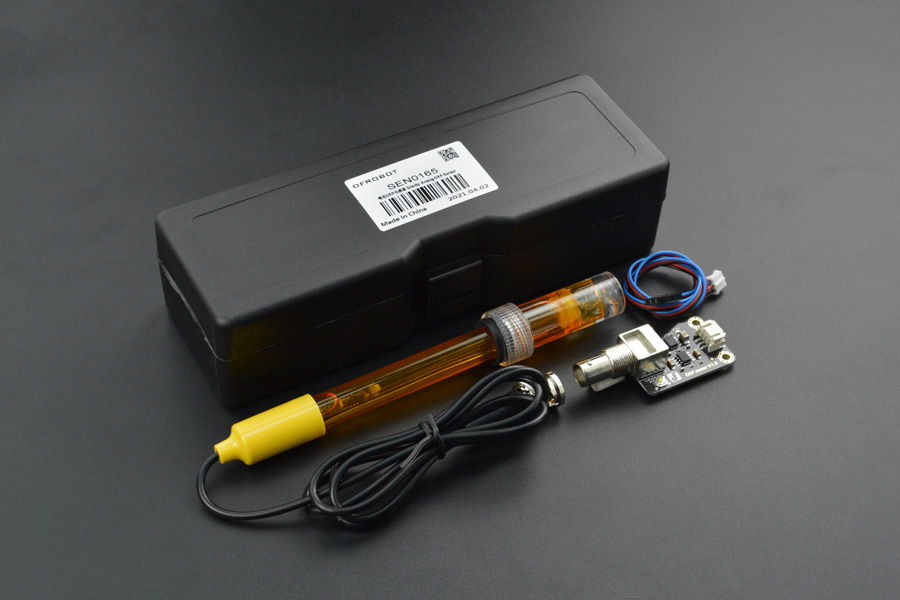
The next discussed sensor, which could also be the last, measures the oxidation reduction potential (ORP) of a liquid. ORP is a value that indicates, in this case, how well water can oxidize or reduce another substance [1]. If the value is positive, the water is an oxidizing agent, if the value is negative it’sContinue reading “[SENSORS] Oxidation Reduction Potential – 24/05/2021”
[SENSORS] Temperature – 23/05/2021
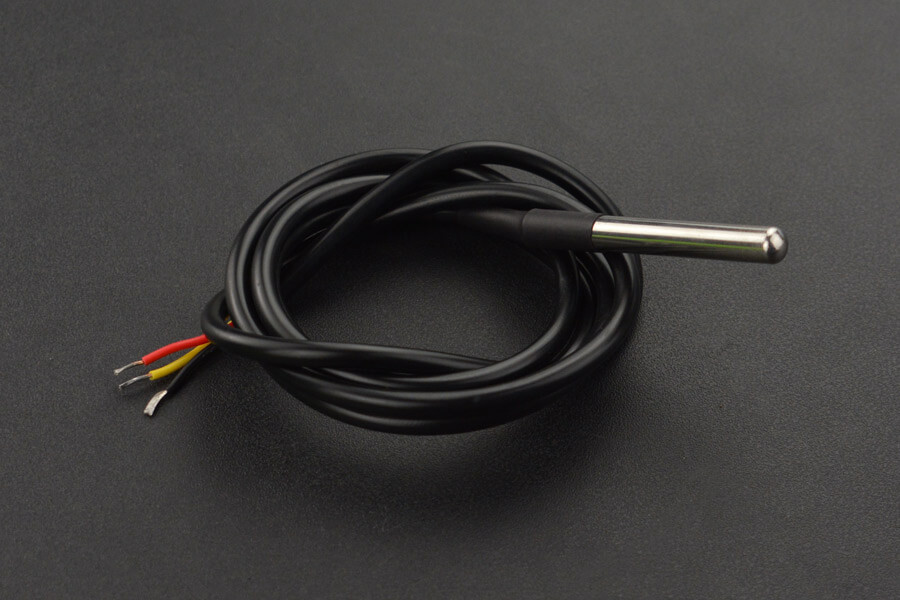
Temperature can seem like a simple water property. However, it affects almost every other property. It’s one of the most important characteristics to measure, because temperature can explain trends or anomalies in the other retrieved data. The illustration on the left shows how the different water properties affect each other [1]. We can clearly seeContinue reading “[SENSORS] Temperature – 23/05/2021”
[SENSORS] Turbidity – 22/05/2021
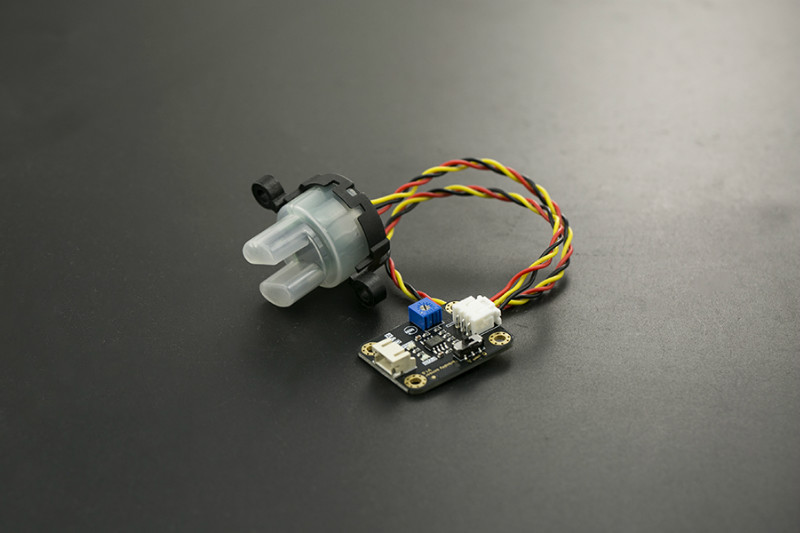
Another useful property of a liquid for water monitoring is turbidity. The analog turbidity sensor can determine the quality of water by sending and retrieving a beam of light. This beam will be scattered in multiple directions by suspended particles in the water. These particles are referred to as total suspended solids (TSS) [1]. YouContinue reading “[SENSORS] Turbidity – 22/05/2021”
[SENSORS] Electrical Conductivity – 21/05/2021
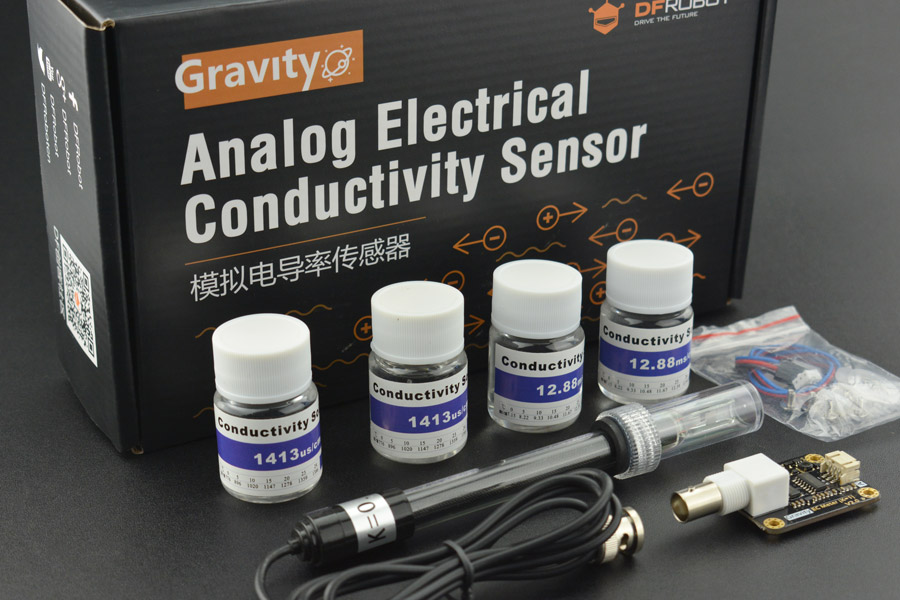
The second sensor covered in these posts is the analog electrical conductivity (EC) sensor. It has a very similar usage to the pH sensor, both being analog and accompanied by buffer solutions. The EC sensor will be used to measure the electrical conductivity of a body of water. EC is an important characteristic in waterContinue reading “[SENSORS] Electrical Conductivity – 21/05/2021”
 H2OSupport