
Concerning the SIM problem, I couldn’t obtain a NB-IoT (Cat-M2) SIM card, so I’ll just be using the LTE-M (Cat-M1) network for this project. The Cat-M1 network is probably the better choice anyways, because it’s used more frequently, the land coverage is larger and the connection is probably better since everyone relies on it. So far, I’ve managed to get the MKR1500 connected to the LTE-M and even make it upload some sensor data to the web through Soracom.
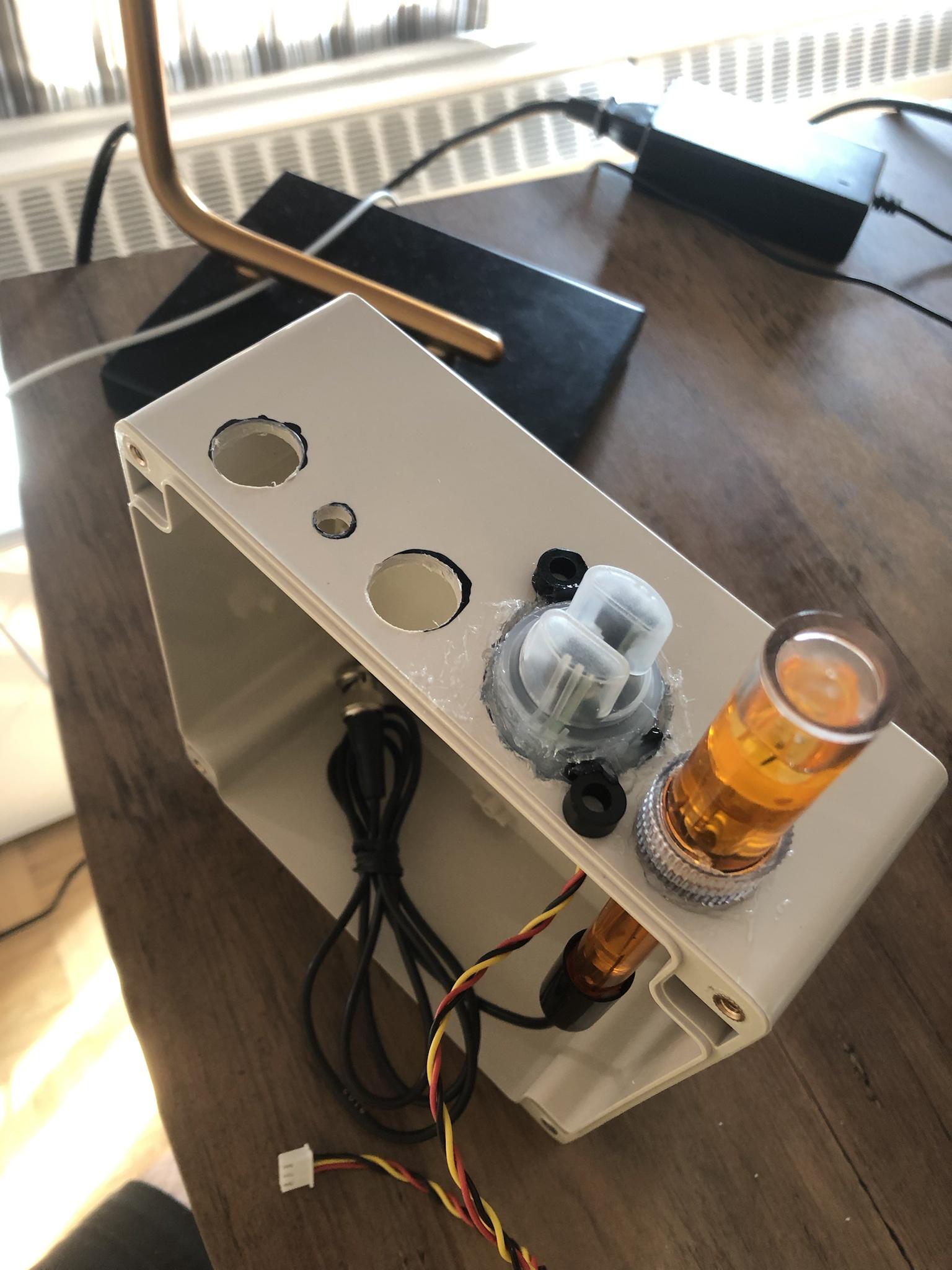
On the other hand, I’ve finally started building the prototype. All I really need is a waterproof box, a drill and some silicone sealant. The box I got is from LeMotech [1]. I think the battery I ordered might be a little too big to fit inside, I’ll have to see if I can get a smaller one. After all, the board won’t be consuming that much power. Although it isn’t on the pictures, there’s a clear plastic cover that will go on the front of the box.
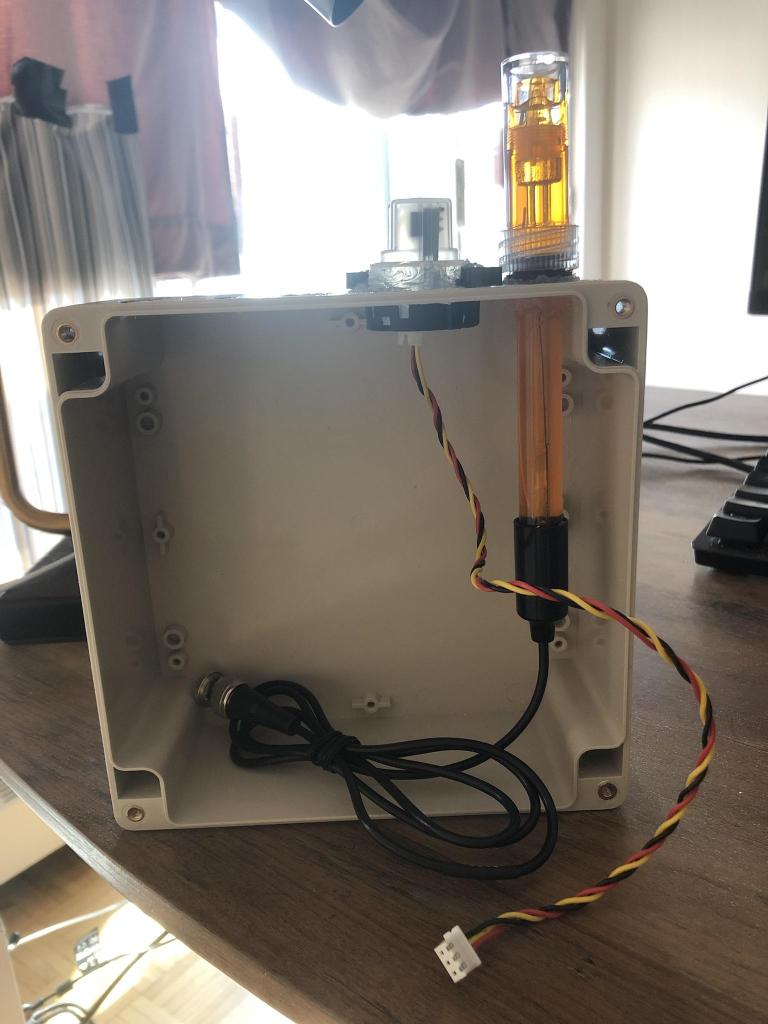
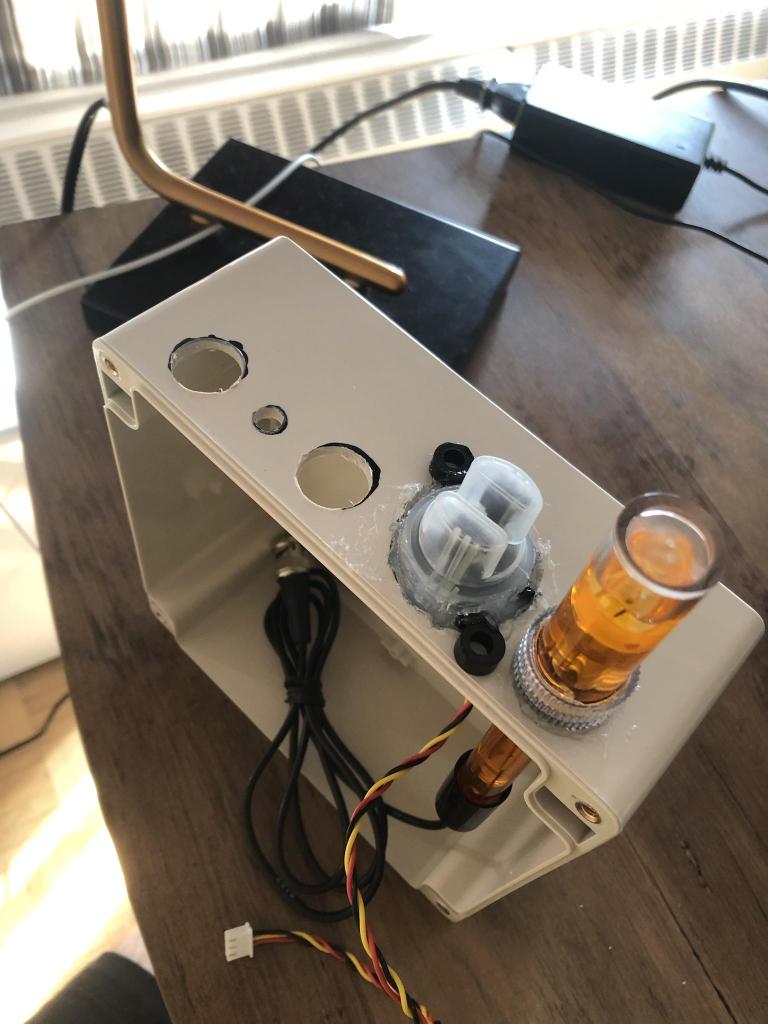
I marked the five holes for the sensors, drilled through the ABS plastic with a 5/8″ auger drill bit, placed the sensors in the holes and filled up the extra space with the silicone sealant. I let the silicone cure for around 24 hours.
Sources
[1] Amazon, “LeMotech ABS Plastic Junction Box, Dustproof Waterproof IP65 Electrical Box – Universal Project Enclosure Grey, with PC Transparent/Clear Cover 6.3″x6.3″x3.54″(160mm x 160mm x 90mm)”, LeMotech. [Online]. Available: https://www.amazon.ca/gp/product/B07BPQGZFN/ref=ppx_yo_dt_b_asin_title_o02_s00?ie=UTF8&psc=1

 H2OSupport