
Looking at H2OSupport from a software perspective, there’s two sides, commonly called front-end and back-end. The front-end side of the project is composed of how the device will collect the data, which means writing code for processing and transferring the data from the different sensors. The front-end also includes how the data is presented to the user and the user interface of the application as a whole.
On the other side, the back-end of the project is how the device will connect and transfer data on the cellular network. I’ll be using Soracom [1], a global cellular network IoT connectivity provider to connect this H2OSupport device to the application which will be on the server side. Soracom offers APIs for collecting, processing and even monitoring data. The Soracom Harvest collects data whereas Lagoon can process and monitor it. To do all of this, we first need to obtain a SIM card from Soracom.
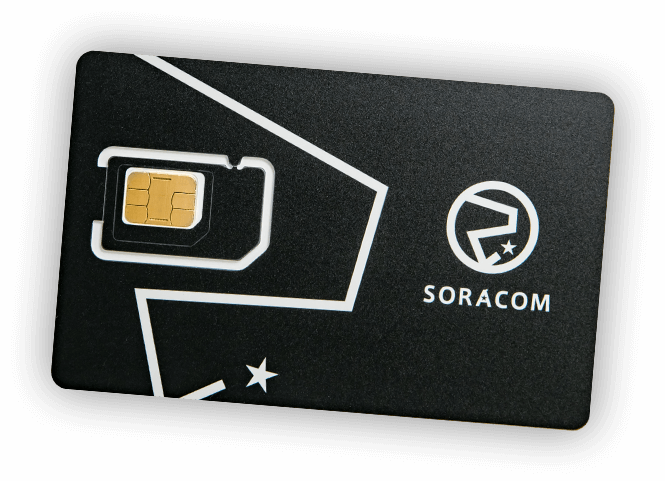
The Arduino MKR NB 1500 has a SIM card slot designed for IoT projects. For this H2OSupport, I chose 20MB of usable data for which its coverage is the whole of Canada and most parts of the United States. For a casual usage of H2OSupport (around two to three readings per day), the monthly used data could probably be around 3MB, which is Soracom’s least expensive prepaid bundle. However, since I will be testing H2OSupport’s first prototype very heavily and making a large amount of readings per day, I thought it would be wise to get the 20MB/month bundle. I will certainly discuss H2OSupport’s data usage at the end of the project.
Sources
[1] Soracom, “Soracom: IoT Cellular Connectivity Provider”. [Online]. Available: https://www.soracom.io/about-us-soracom/

 H2OSupport